
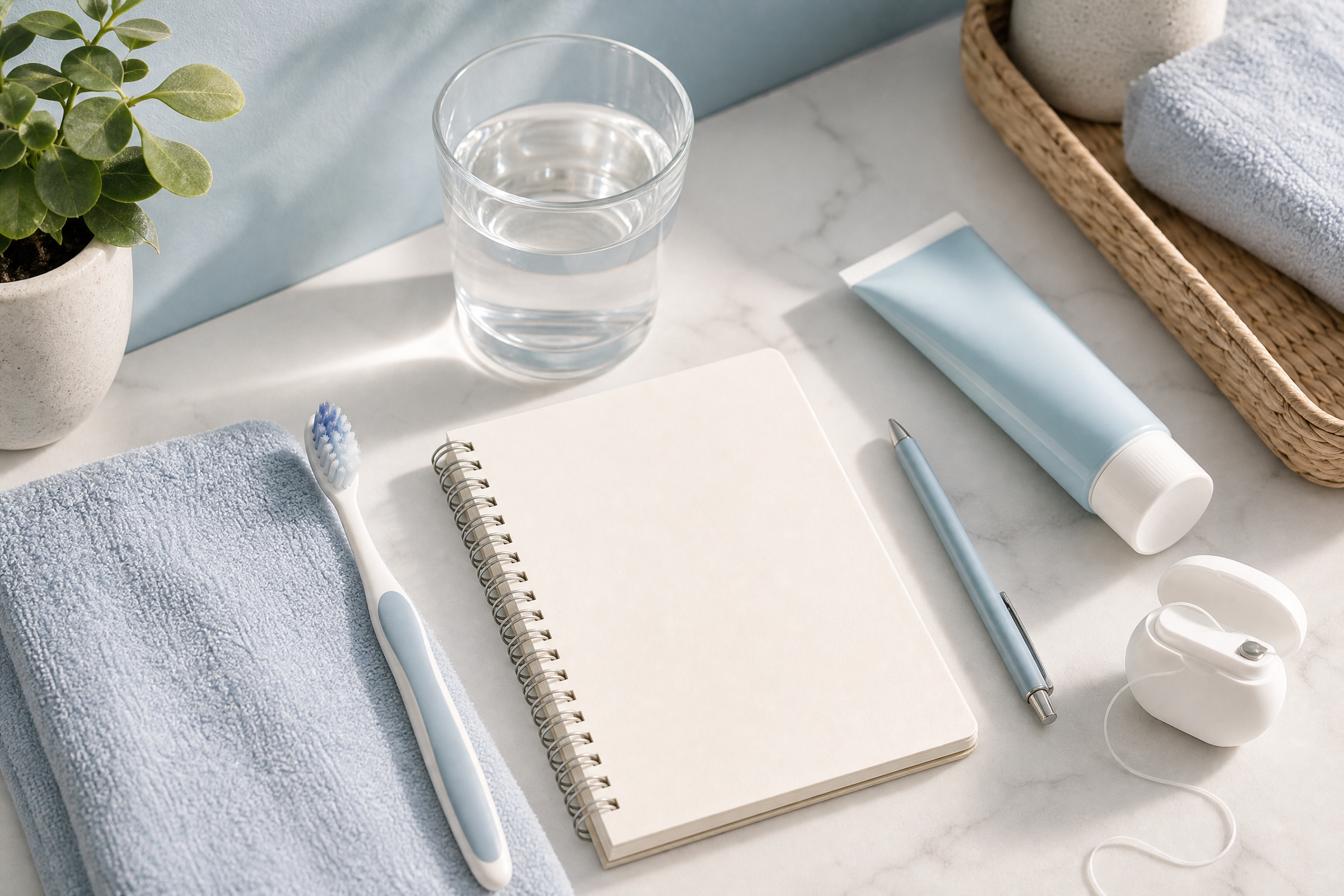
Small daily habits make a big difference for your teeth and gums. This guide gives clear do’s and don’ts you can use today to keep your smile healthy – including how to brush, why fluoride matters, the role of interdental cleaning, when to replace your toothbrush, and how tobacco and frequent snacking affect oral health.
Why these habits matter right now
Tooth decay and gum disease begin quietly. Catching problems early, or preventing them entirely, saves discomfort and bigger treatments later. The tips below come from common dental guidance and practical recommendations originally shared by Kellogg Dental. They reflect what dental professionals advise and what research supports, so you can make smart choices starting today.
Daily do’s – the routines that protect your smile
Think of your mouth like a garden – regular, gentle care keeps things healthy. Use these evidence-based daily habits as a straightforward checklist.
- Brush twice a day for two minutes each time – morning and before bed.
- Use a fluoride toothpaste.
- Clean between teeth once a day with floss or another interdental cleaner.
- Replace your toothbrush every 2 to 3 months, or sooner if the bristles fray.
- See your dentist for a checkup and cleaning about every six months, or as recommended for your needs.
How to brush the right way
Brushing should remove the soft plaque that builds up on tooth surfaces without harming your gums or enamel. Follow these simple steps:
- Use a soft-bristled brush. Hard bristles can wear away enamel and irritate gums.
- Apply a pea-sized amount of fluoride toothpaste for adults and children over age 3. For younger children, follow pediatric guidance on toothpaste amount.
- Hold the brush at a 45-degree angle to the gumline and use gentle circular motions – avoid hard back-and-forth scrubbing.
- Brush all tooth surfaces – outer, inner, and chewing surfaces – for a total of two minutes.
- Rinse or spit gently; do not brush immediately after acidic foods or drinks. Wait 30 minutes so enamel has time to reharden.
Brushing aggressively is a common mistake. Instead of scrubbing, think gentle and thorough. That protects gum tissue and preserves enamel.
Why fluoride toothpaste matters
Fluoride strengthens tooth enamel and helps prevent cavities. That protection is why major oral health organizations recommend fluoride in toothpaste and, when appropriate, community water supplies. Using fluoride toothpaste twice daily is a simple, effective step against tooth decay.
Interdental cleaning – the daily habit most people skip
Brushes get most tooth surfaces, but not the tight spots between teeth. That’s where food particles and bacteria can linger. Flossing or using another interdental cleaner once a day reduces plaque between teeth and along the gumline.
Flossing – how and why
The American Dental Association recommends cleaning between teeth daily. Proper flossing removes plaque below the gumline where a toothbrush can’t reach. If traditional string floss is hard for you, try floss picks, interdental brushes, or a water flosser. The important thing is to clean between teeth every day.
- Use about 18 inches of floss and wind most of it around one finger. Slide the floss gently between two teeth and curve it into a C shape against one tooth. Move up and down, then repeat on the other tooth.
- If you have tight spaces or braces, an interdental brush or water flosser can be more effective and comfortable.
- If you have a bridge, implant, or other dental work, ask your dental team which interdental tool to use.
Toothbrush care – when to change it and why
Kellogg Dental recommended replacing your toothbrush every two to three months, and that advice still fits most situations. Frayed bristles clean poorly. Here are simple rules for toothbrush care:
- Replace your toothbrush every 2 to 3 months, or sooner if bristles look worn.
- If you were sick, replace your toothbrush after recovery to reduce the chance of reinfection.
- Rinse your brush after use and store it upright to air-dry. Avoid sharing toothbrushes.
Electric toothbrush heads follow the same timeline. Many brands sell replacement heads in two- or three-pack cycles that match recommended intervals.
Food, snacking, and your teeth
Frequent snacking – especially sugary or sticky foods – raises your risk of cavities. Every time you eat, the bacteria in your mouth produce acids that attack enamel. The more often you snack, the more times your teeth are exposed to acid.
Smart snacking tips
- Limit sugary snacks and drinks. Reserve sweets for mealtimes when saliva flow helps neutralize acids.
- Choose tooth-friendly snacks – raw vegetables, cheese, plain yogurt, or nuts – over candy or chips.
- Rinse with water after eating if you can’t brush right away. Water helps wash away food and dilute acids.
- Chew sugar-free gum with xylitol for a short time after meals to boost saliva and help clear debris.
These small swaps reduce how often acid attacks your teeth, and that lowers cavity risk.
Tobacco and oral health – a serious don’t
Tobacco use – smoking or chewing – is one of the strongest risk factors for gum disease and other oral health problems. It reduces blood flow to gum tissue, making infections harder to fight, and increases the risk of persistent gum inflammation. If you use tobacco, quitting will improve oral and overall health.
- Tobacco raises the risk of gum disease and can mask early signs, because gums may bleed less even while disease progresses.
- It also increases the risk of oral infections and can slow healing after dental procedures.
- If you’re considering quitting, your dental team can provide resources and guidance, and coordinate with your medical providers.
Dental fear – don’t let anxiety keep you from care
Avoiding the dentist because of fear can lead to worsening problems. Many people feel anxious about dental visits. There are practical ways to reduce anxiety and make appointments more comfortable.
Practical steps to manage dental anxiety
- Tell the dental team about your fears before your visit. A quick note on your appointment request or a phone call helps staff prepare.
- Ask about appointment options like morning times, shorter visits, or breaks during treatment.
- Ask about comfort measures – noise-cancelling headphones, blankets, or a caregiver in the room if you prefer.
- For more intense anxiety, discuss sedation options with your dentist. They can explain risks and benefits and make a plan with you.
At Hometown Dental we strive to create a calm, family-friendly environment. If fear has kept you away from care, let us know so we can help you take the next step.
Common mistakes – the don’ts to watch for
- Don’t brush aggressively. Hard scrubbing can wear grooves into enamel and recede gums.
- Don’t skip interdental cleaning. Teeth touch along long edges and plaque builds there quickly.
- Don’t rely on mouthwash alone. Mouthwash can help, but it does not replace brushing and interdental cleaning.
- Don’t smoke or use chewing tobacco. It raises the risk of gum disease and other oral health problems.
- Don’t ignore dental pain or persistent bleeding. Early care prevents bigger problems.
Choosing the right products
Toothpaste and brushes are not one-size-fits-all. Here are quick tips to pick what works for you.
- Toothpaste – choose a fluoride toothpaste approved by major dental organizations. For sensitivity, use a toothpaste formulated for sensitive teeth.
- Toothbrush – pick a soft-bristled brush. Electric brushes can make two-minute brushing easier and more consistent.
- Interdental tools – try different options. Floss, floss picks, interdental brushes, and water flossers all work when used correctly. Ask your dental team what fits your mouth and any dental work you have.
- Mouthwash – look for fluoride-containing rinses if you want extra cavity protection. Alcohol-free rinses are gentler for sensitive mouths.
Special situations – kids, dry mouth, braces, and implants
Different mouths need slightly different care. Here are short, practical tips for common situations.
Children
- Start cleaning baby gums with a soft cloth even before teeth erupt. Begin brushing as soon as the first tooth appears.
- Use a smear of fluoride toothpaste for children under 3, and a pea-sized amount for ages 3 to 6. Supervise brushing until a child has the dexterity to do it well alone.
- Limit sugary drinks and bottles at bedtime. Early childhood cavities can start very young.
Dry mouth
Dry mouth increases cavity risk because saliva helps neutralize acid and wash debris away. If you have chronic dry mouth – from medication or other causes – talk with your dentist. They may recommend saliva substitutes, more frequent fluoride, or other strategies.
Braces or orthodontics
Braces create more places for food and plaque to hide. Use interdental brushes or water flossers in addition to flossing. Your orthodontist or dental team can show the best technique.
Bridges, crowns, and implants
Dental work needs regular cleaning and the right interdental tools. Bridges and implants should be cleaned daily to prevent inflammation around the supporting teeth or implant. Ask your dentist for a tailored home-care plan.
When to see a dentist sooner than six months
Routine six-month visits work for many people, but see your dentist sooner if you have:
- Persistent tooth or jaw pain
- Bleeding gums that do not improve with proper brushing and flossing
- A loose tooth or dental work that feels unstable
- New spots, bumps, or sores in your mouth that last more than two weeks
Prompt evaluation can prevent a small problem from becoming a painful, expensive one.
Simple daily routine – printable checklist
- Morning – brush 2 minutes with fluoride toothpaste, rinse, and drink water.
- During the day – limit sugary snacks, rinse with water after meals, choose tooth-friendly snacks.
- Evening – interdental cleaning followed by 2-minute brushing before bed.
- Every 2 to 3 months – replace your toothbrush or electric brush head.
- Every 6 months – schedule a professional checkup and cleaning, or sooner if needed.
FAQ – quick answers to common questions
How hard should I brush?
Brush gently with a soft-bristled brush. Pressure should be firm enough to feel the bristles, but not so hard that gums hurt or bristles flare out. If you’re unsure, ask your dental team to watch your technique at your next visit.
Is flossing really necessary?
Yes. Cleaning between teeth once a day removes plaque where a toothbrush can’t reach and lowers the risk of cavities and gum inflammation. Use the method that works for you – string floss, picks, interdental brushes, or a water flosser – and be consistent.
What kind of mouthwash should I use?
Look for a fluoride-containing mouthwash if your goal is extra cavity protection. Alcohol-free mouthwashes can be gentler if you have sensitivity or dry mouth. Mouthwash adds benefit, but it does not replace brushing or interdental cleaning.
How often should I replace my toothbrush?
Replace your toothbrush or electric brush head every 2 to 3 months, or sooner if bristles are frayed. Replace it after an illness to reduce the chance of reinfection.
Will smoking make gum disease worse?
Yes. Tobacco weakens the body’s ability to fight infection and is a major risk factor for gum disease. Quitting improves oral and overall health. Talk to your dental or medical provider for help quitting.
What if I’m afraid of the dentist?
Talk with the office before your visit. Ask about shorter appointments, breaks, comfort measures, or sedation options. A caring dental team will work with you to make visits manageable.
References and sources
- NIDCR – Tooth Decay
- NIDCR – Oral Hygiene
- CDC – Oral Health
- American Dental Association – Floss
- CDC – Gum Disease
Next step – Hometown Dental in Howell
If you want a quick review of your home-care routine or have a question about a specific product or concern, we’re here to help. You can request an appointment online at Hometown Dental – Appointment Request, call our office at 517-546-3330, or visit us at 1250 Byron Road, Howell, MI 48843. We care for patients from Howell, Hartland, Brighton, and Fowlerville and will work with you to make dental care comfortable and practical for your life.
Ready for a comfortable next step?
If you have a question about your smile, your child’s visit, or the care described here, Hometown Dental can help you sort through it with clear, personal guidance.
Request an appointment or call 517-546-3330.